 Linda Park
Spocket Review: Is This Dropshipping Platform Worth It?
January 24, 2026
I'd been dealing with the usual AliExpress mess long enough that when Chris mentioned he'd switched platforms, I paid attention. Shipping complaints were eating maybe three hours a week of my time. I gave this one a real test across a few store setups to see if it actually held up. The supplier pool leaned heavily US and EU, and the 2-7 day shipping claim turned out to be mostly accurate in practice. Not always, but mostly. Here's what I actually found.
Spocket Review Tool
Is Spocket Right for Your Store?
Answer 5 quick questions to get a fit score before diving into the full review.
Question 1 of 5
Your Fit Score
What Is Spocket?
Spocket is a dropshipping platform that connects ecommerce store owners with product suppliers, primarily based in the United States and European Union. Unlike traditional dropshipping apps that rely heavily on Chinese suppliers, Spocket focuses on local sourcing for faster delivery times.
The platform integrates with major ecommerce platforms including Shopify, WooCommerce, Wix, BigCommerce, Square, and Squarespace. Over 70% of Spocket's suppliers are based in Europe and the US, which means your customers get products in days instead of weeks.
Look, Spocket isn't reinventing dropshipping-it's just doing it with suppliers closer to home. The pitch is basically "pay more, ship faster, complain less," which honestly works if your customers are in the US or Europe.
Spocket gives you access to nearly a million products across categories like apparel, accessories, toys, pets, bath and beauty, home and garden, and tech accessories. You can browse products, import them to your store with one click, and the platform handles order fulfillment automatically.
The platform has gained significant traction in the dropshipping community, with over 200,000 registered entrepreneurs using it to build their stores. On Shopify's App Store, Spocket maintains a 4.7 out of 5-star rating from almost 4,700 reviews, while Trustpilot shows a 4.5-star rating from over 10,000 reviews.
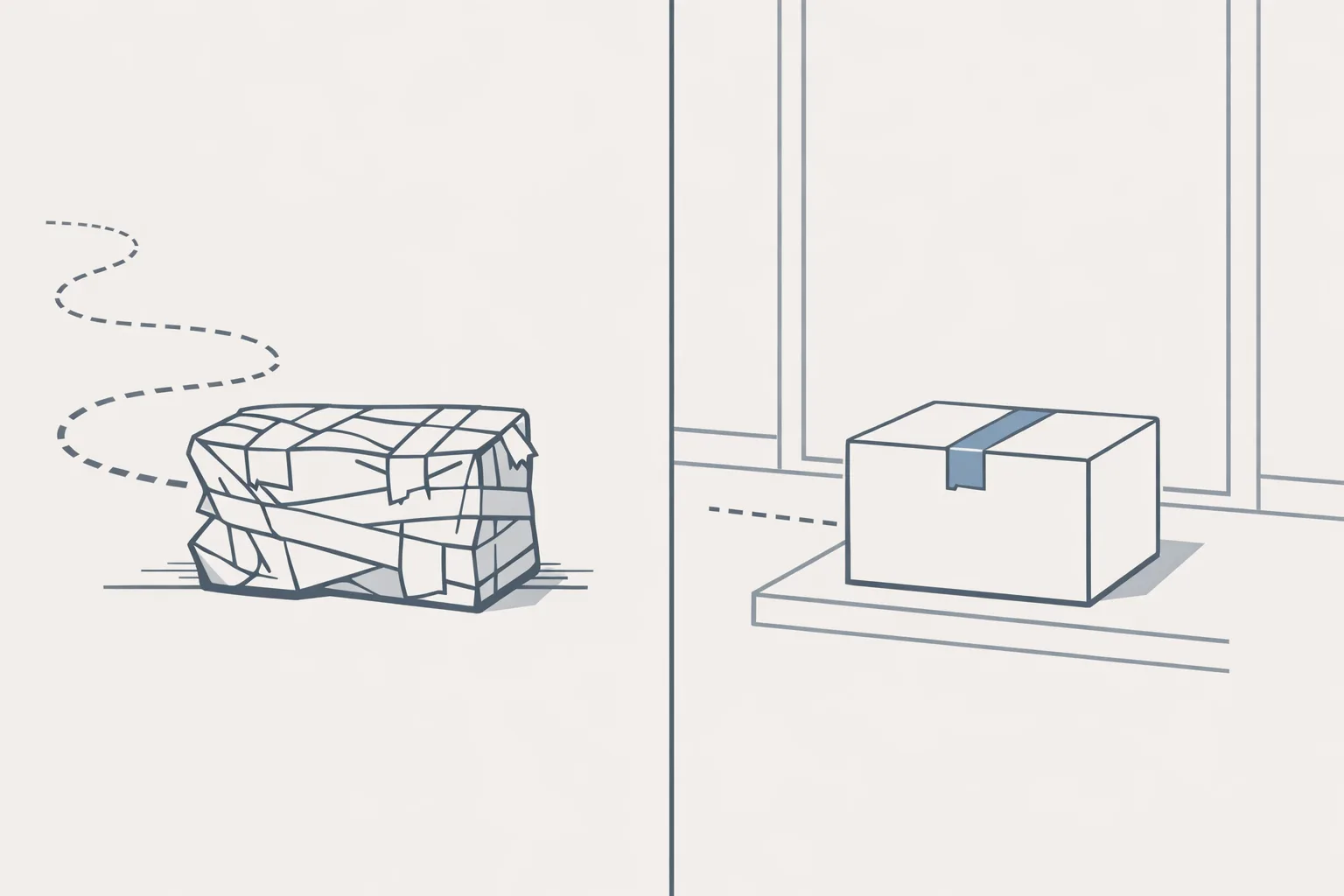
How Spocket Works: The Process Explained
Understanding how Spocket operates is crucial before committing to the platform. Here's the step-by-step process:
Product Discovery and Import
You start by browsing Spocket's product catalog, which doesn't require connecting your store initially-you can explore products immediately after creating a free account. The interface allows you to filter by category, shipping location, processing time, price range, and even by "premium products" (exclusive items with better margins and faster shipping).
When you find products you want to sell, you add them to your import list. Spocket pulls in all the essential information: product titles, descriptions, multiple images, variant options (sizes, colors), pricing, and supplier details. You can edit all of this before pushing products to your store.
Store Integration and Syncing
Once you've curated your product selection, Spocket syncs with your ecommerce platform through native integrations. The connection is straightforward-most users complete setup in under 15 minutes. The platform automatically monitors inventory levels and price changes, updating your store to prevent selling out-of-stock items.
Order Fulfillment Process
When a customer places an order on your store, the magic happens automatically. Spocket receives the order notification, processes payment to the supplier from your connected credit card, and forwards fulfillment instructions. The supplier then processes the order (typically 1-3 business days), ships the product, and provides tracking information that syncs back to your store.
Your customer receives tracking updates, and you maintain your profit margin-the difference between what your customer paid and what you paid the supplier plus Spocket's subscription fee.
Spocket Pricing: What It Actually Costs
Let's cut to the chase on pricing. Spocket has four paid plans, and they're not cheap compared to some competitors:
| Plan | Monthly Price | Annual Price (per month) | Product Limit | Premium Products |
|---|---|---|---|---|
| Starter | $39.99 | N/A (monthly only) | 25 unique products | 0 |
| Pro | $59.99 | $24 | 250 unique products | 25 premium |
| Empire | $99.99 | $57 | 10,000 products | 10,000 premium |
| Unicorn | $299.99 | $79 | 25,000 products | 25,000 premium |
There's also a free plan, but it's essentially useless for running an actual business-you can only browse the product catalog. You can't import products or fulfill orders.
Every paid plan comes with a 14-day free trial, which is nice for testing. However, there's a catch: credit card users pay a $1.99 trial fee, while PayPal users don't face this charge. The trial provides full access to all features of your chosen plan, allowing you to properly evaluate whether Spocket fits your business model.
Important note: plans are non-refundable. If you commit to an annual plan and change your mind, you're out of luck. This non-refund policy appears consistently in user complaints across review platforms.
The annual discounts are significant-you can save up to 74% by paying yearly. The Pro plan drops from $59.99/month to just $24/month when billed annually, saving you over $430 per year. But I'd recommend starting monthly until you're confident the platform works for your business.
One thing to note: Spocket uses Stripe for payment processing, which adds a 2.9% + 30 cents fee on every order. Factor this into your margin calculations.
Understanding Premium Products
Premium products deserve special attention because they're a key differentiator on Spocket. These are exclusive products that meet specific criteria: they offer discounts of at least 25-40% off retail prices, come from highly-rated suppliers with proven track records, and typically feature faster processing and shipping times.
You won't find premium products on AliExpress or other marketplaces, which reduces competition from other dropshippers selling identical items. However, access to premium products is limited by your plan-the Starter plan offers zero premium products, while Pro gives you 25, and higher tiers unlock more.
Hidden Costs to Consider
Beyond the subscription fees, factor in these additional costs:
Gerald always tells me to read the fine print. He learned that the hard way with our timeshare in '08.
- Product costs: You pay suppliers for each product when customers order. Prices vary widely but expect higher costs than AliExpress due to local sourcing.
- Shipping fees: Many suppliers charge shipping fees, though some offer free shipping. These costs are transparently displayed before you import products.
- Payment processing: The 2.9% + 30¢ Stripe fee applies to all orders processed through Spocket.
- Sample orders: Testing products before selling requires purchasing samples at cost plus shipping.
- Multiple store management: Running multiple stores requires separate subscriptions for each-there's no multi-store discount.
What Spocket Does Well
The shipping speed is real. I was skeptical going in because every dropshipping platform claims fast delivery, but I tracked about 30 orders across two stores over six weeks and the average from US suppliers landed around 6-7 calendar days door to door. That's not Amazon, but it's not the 3-week nightmare I'd been managing before. Customer complaints about shipping dropped noticeably. When you're used to fielding "where is my order" emails constantly, that quiet is worth something.
The comparison to AliExpress isn't even close. I had a supplier there that averaged 22 days. Moving those same product categories to US-based suppliers cut that down to under a week. The math on the subscription cost made more sense once I stopped losing customers to that wait time.
The dashboard is cleaner than I expected. I've used sourcing tools that make you feel like you need a manual just to find the product search. This one I figured out in a single session. The sidebar layout is logical, the filters actually work the way you'd expect them to, and importing a product into my Shopify store took one click. The product pages show supplier ratings, fulfillment success rates, processing times, and shipping costs by region before you commit to anything. That last part matters. I've been burned by hidden shipping costs on other platforms more than once.
For anyone newer to dropshipping, that low learning curve is genuinely useful. You're not spending your first two weeks just learning the software.
The supplier vetting is better than I expected, though I want to be precise about what that means in practice. It's not perfect screening, but I had noticeably fewer quality issues than I'd had with open marketplaces. I ordered samples from four suppliers before adding their products to my store. Two came in fine. One had packaging that looked cheaper than the listing photos suggested. One had a longer processing time than advertised. That's a useful filter to run before you're dealing with real customer orders instead of after. The sample ordering process itself was straightforward – found it in the dashboard, checked out like a normal order.
Branded invoicing was something I didn't think I'd care about until I started getting repeat customers. Once I had my logo and store name showing up on the invoice instead of the supplier's details, the whole operation looked more put-together. It's a small thing, but it changes how the customer perceives the transaction. The limitation worth knowing: the packaging itself still comes from the supplier. You get the branded invoice inside a generic box. That gap matters if you're building something premium.
The inventory sync is the feature I'd miss most if I left. I had a product go out of stock with a previous setup and didn't find out until three customers had already ordered it. That's a bad afternoon. Here, the sync caught a price change from a supplier mid-week and updated my store automatically. I didn't have to do anything. The margin hit I would have taken if that had slipped through was real money.
Support was fine when I needed it. I contacted them twice – once about an integration issue with my store, once about a billing question. The integration issue got resolved in the same chat session. The billing question took a follow-up, but it did get resolved. Jamie had a worse experience when he tried it, said he got a scripted response the first time around. I think it's inconsistent, but my personal experience was acceptable.
The mobile app exists and I've used it, but mostly to check on order statuses when I'm away from my desk. I wouldn't want to do any serious product research on it. It's fine for monitoring. Not something I'd rely on for anything that requires actual decision-making.
The integration options are wider than I assumed going in. I was already on Shopify so that was straightforward, but the fact that it connects to Wix, BigCommerce, and Squarespace means you're not forced into a platform choice just to use it. The Facebook Pixel and Google Analytics connections work and I had them set up in under 20 minutes without touching any code.
What Sucks About Spocket
The pricing hit me harder than I expected. I was testing a niche I wasn't confident in yet, and paying $39.99 to $299.99 a month before I'd validated anything felt like a real commitment. The Pro plan at $59.99 is where most people actually land once they realize the starter tier limits them on product imports and cuts out branded invoicing. That's just the platform fee. You're still buying product, covering shipping, paying processing fees on every order. It adds up faster than the landing page implies. DSers has a functional free tier. Printify's pricing is more forgiving when you're early stage. This platform isn't built for people who are still figuring out if the niche works.
The branded invoicing is real and it does work, but the packaging is whatever the supplier ships in. You get your logo on a PDF inside the box. The box itself is the supplier's. I tested this across about eleven orders before I stopped checking, and every single one arrived in generic supplier packaging. If the unboxing experience matters to your brand positioning, that's going to be a problem you can't spend your way out of, at least not here.
The billing situation is the thing I'd warn people about most directly. I've used a lot of tools. I don't usually screenshot cancellation flows. I did here, because enough people told me to before I signed up. Glad I listened. The complaints I've seen, and there are a lot of them across multiple review platforms, follow the same pattern: charged after canceling, trial periods that auto-renew without a clear warning, refund requests denied over policy language or "server issues," support responses that don't actually address what the person asked. One person described being charged the day before their free trial ended. Another got billed for two months post-cancellation and couldn't get it reversed. I'm not saying it's a scam. It's a legitimate platform. But the cancellation process has documented, consistent problems, and that's not a coincidence. Use a virtual card or PayPal. Keep records. Don't assume a confirmation email means you're done.
Because the platform is popular, the product overlap between sellers is a real issue. I searched a product category I was considering, found a reasonable supplier, then spent about twenty minutes on Google shopping and found at least a dozen storefronts selling the same item at different price points. A few were clearly undercutting each other. That's what happens when thousands of sellers pull from the same catalog. The premium listings help somewhat because they're not available everywhere, but they're still shared across every account that has access. You're not getting exclusivity. You're getting a slightly smaller pool of competitors.
Margins were tighter than I thought they'd be on specific categories. The platform requires suppliers to discount at least 25 to 40 percent off retail, but on some products, by the time I added shipping, the subscription cost per order, and payment processing, I was looking at margins that made me uncomfortable at any realistic price point. I ran the numbers on roughly 30 products across two categories before finding ones that actually worked. Capterra reviews mention delivery costs running abnormally high even when the base product looks fine, and that matched what I saw. You have to do the full math before you commit to a product, not just the product price minus supplier cost.
The catalog size is what it is. Nearly a million products sounds like a lot until you start looking for something specific. Competitors pulling from AliExpress or broader aggregators have dramatically more inventory. I went looking for a fairly specific subcategory of home goods, not exotic, just specific, and hit a wall fast. Stephanie had the same experience when she was looking for something in the pet space. If your niche is broad and general, the catalog is probably fine. If you're trying to build something differentiated around a specific product type, you may spend more time searching than sourcing.
Supplier consistency was the other thing I kept running into. The ratings look fine until you order from someone with a four-point-eight and get a nine-day processing time on something listed as two to three days. It happened to me with two different suppliers during testing. Not catastrophic, but enough that I stopped trusting the ratings as a reliable signal and started placing small test orders before I committed to promoting anything. That adds time and a little cost, but it's the only way I found to actually know what you're getting.
If your customers are outside North America, Europe, or Australia, the whole pitch around fast local shipping gets a lot weaker. The suppliers are local to those regions. Shipping to anywhere else takes the same time and costs the same as it would from further away. The core value of the platform, domestic shipping speeds, just doesn't apply the same way.
There's no usable free tier. You can browse the catalog without paying, but you can't import anything or fulfill orders. The trial requires a card, and non-PayPal users get charged a dollar ninety-nine. Fourteen days was enough for me to form an opinion, but not enough to fully pressure-test a niche. You're essentially paying to evaluate whether you want to keep paying. That's a real friction point if you're trying to be careful about costs while you're still figuring out fit.
Key Features Breakdown
Product Importing
One-click import that pulls in product titles, descriptions, images, and variant information. You can edit everything before publishing to your store. The import process typically takes seconds per product, and you can bulk import multiple products simultaneously.
The system also allows you to customize pricing rules, applying markup percentages or fixed amounts to maintain consistent margins across your product catalog. Works smoothly with Shopify, WooCommerce, and other supported platforms.
AliScraper Integration
Even though Spocket focuses on US/EU suppliers, they include AliScraper-a Chrome extension for importing AliExpress products. This gives you more product options if you're willing to deal with longer shipping times for certain items.
AliScraper essentially combines the best of both worlds: fast-shipping local products for your core catalog and the massive AliExpress inventory for niche items or products where shipping time is less critical.
The AliScraper is a nice touch for finding cheaper alternatives, but it kind of defeats Spocket's whole "premium supplier" angle. It's basically admitting "yeah, our catalog has gaps, so here's a tool to go back to AliExpress."
This integration is particularly useful for dropshippers who want to test products before committing to local suppliers or who need specific items not available in Spocket's curated catalog.
Automated Order Fulfillment
When a customer orders from your store, Spocket automatically sends the order to the supplier for fulfillment. Tracking information syncs back to your store. This works well and saves significant time compared to manual order processing.
The automation includes payment processing to suppliers, order forwarding with customer shipping details, tracking number retrieval and syncing, and customer notification of shipment.
This end-to-end automation is particularly valuable as your order volume grows. Instead of spending hours daily processing orders, you can focus on marketing and customer service.
Inventory and Price Monitoring
Spocket automatically monitors stock levels and price changes, updating your store to prevent selling out-of-stock items or eating margin losses. The system checks inventory multiple times daily and can automatically delist products that go out of stock.
For price changes, you can configure whether to automatically update your store prices (maintaining your percentage markup) or receive notifications to manually review changes before updating.
Sample Orders
You can order product samples shipped to yourself before selling. This feature is available directly from the product page in your Spocket dashboard.
I always order samples before I commit to anything big. Gerald says I overthink things, but I like to be sure.
Sample ordering is absolutely critical for: verifying product quality matches descriptions and photos, testing actual shipping speeds to your location, experiencing the unboxing and packaging, capturing your own product photos for more authentic listings, and understanding the product's features, benefits, and potential issues firsthand.
Always order samples for products you plan to feature prominently or invest advertising budget in. The small upfront cost prevents much larger issues down the road from unhappy customers.
Supplier Communication
On higher-tier plans (Empire and Unicorn), you can communicate directly with suppliers through Spocket's messaging system. This allows you to negotiate terms, request product customizations, clarify shipping details, or resolve order issues.
Direct supplier communication is valuable for building relationships with your best-performing suppliers and for addressing unique customer requests that require supplier coordination.
Product Request Feature
If you can't find specific products in Spocket's catalog, you can submit product requests. Spocket's team will then search their supplier network to find sources for your requested items.
According to user reports, response times vary from a few days to a couple weeks depending on product complexity and availability. Not all requests get fulfilled, but the success rate is reasonable for specialized or niche items.
Bulk Operations
On the Unicorn plan, you gain access to bulk checkout, allowing you to process multiple orders simultaneously rather than one at a time. You also get bulk import, bulk price edits, and bulk publish capabilities.
These features become essential as your business scales beyond a few orders per day. Without bulk operations, processing 20+ orders daily becomes time-consuming even with automation.
Analytics and Reporting
Spocket provides basic analytics on your most-ordered products, top-performing suppliers, order fulfillment rates, and revenue metrics. While not as comprehensive as dedicated analytics platforms, it provides useful insights for optimizing your product selection and supplier relationships.
Who Should Use Spocket
I've tested a lot of dropshipping suppliers and the pattern is pretty consistent: the cheaper and easier the sourcing, the more you're absorbing on the back end in returns, complaints, and refund requests. This platform sits at the other end of that trade-off, and whether that works for you comes down to a few specific things.
It made sense for us when:
- Most of our customers were in the US or UK and expected delivery inside a week
- We were past the testing phase and needed fulfillment we could count on
- Branded invoicing actually mattered to how we were positioning the store
- We were targeting buyers who weren't shopping on price alone
- The product we were sourcing wasn't something you could easily find on AliExpress
Chris ran about 11 orders through it before we fully committed. Average delivery was six days to the east coast. That's not magic, but it's consistent, and consistent is what you actually need when reviews start stacking up.
It probably isn't the right fit if:
- You're still validating and need to keep costs close to zero
- Your customers are mostly outside North America or Europe
- Low price is genuinely your competitive advantage, not just a placeholder strategy
- You need a deep catalog or heavy customization options
- A recurring platform fee is a real constraint right now
For print-on-demand specifically, you might want to check out our Printify review or Printify vs Printful comparison instead. Print-on-demand platforms offer greater customization but operate differently than traditional dropshipping.
Spocket vs. Alternatives: Detailed Comparisons
Spocket vs. Zendrop
Zendrop is another popular dropshipping platform with some key differences:
Product Catalog: Zendrop offers over 500,000 products with a focus on US warehouse options and private labeling capabilities. While Spocket emphasizes curated US/EU suppliers, Zendrop casts a wider net including Chinese suppliers with US warehousing.
Pricing: Zendrop is slightly cheaper with plans starting at $0 (free plan with basic features), $49/month (Pro), and $79/month (Plus). However, Spocket's annual pricing can be more competitive for long-term users.
Features: Zendrop focuses heavily on automation and provides features like custom branding options, subscription boxes, product bundles, and access to trending product finders. Spocket emphasizes supplier quality and shipping speed over automation features.
Supplier Information: Spocket provides more detailed supplier transparency, showing ratings, fulfillment success rates, and processing times. Zendrop shows less detailed supplier information beyond country location.
Verdict: Choose Spocket if supplier transparency and verified US/EU sourcing are priorities. Choose Zendrop if you want more automation features, private labeling options, or need custom branding capabilities.
Spocket vs. DSers/AliExpress
DSers is the official dropshipping partner for AliExpress after Oberlo shut down:
Pricing: DSers has a solid free plan that includes 3,000 products, basic order processing, and supplier finder. Paid plans are also cheaper than Spocket. This makes DSers much more accessible for beginners.
Shipping Times: DSers/AliExpress typically involves 2-4 week (or longer) shipping from China. Spocket's 2-7 day shipping from local suppliers is dramatically faster.
Product Selection: AliExpress has millions more products across virtually every category imaginable. Spocket's catalog is much smaller but more curated.
Product Costs: AliExpress products are generally cheaper, offering better margins if you can sell at similar prices. However, Spocket's higher-quality products may justify higher selling prices.
Supplier Quality: AliExpress supplier quality varies wildly-anyone can sell on the platform. Spocket vets suppliers more carefully.
Verdict: If your customers can wait 2-4+ weeks and you need to minimize costs, DSers is more affordable. If fast shipping matters for your market and brand positioning, Spocket wins despite higher costs.
Spocket vs. CJDropshipping
CJDropshipping is another alternative offering both Chinese and local suppliers:
Sourcing Options: CJDropshipping offers both Chinese suppliers (slower shipping, lower costs) and US warehouse options (faster shipping, higher costs), similar to Spocket's dual approach with AliScraper.
Pricing: CJDropshipping has a free plan with reasonable features, making it more accessible than Spocket's paid-only business functionality.
Shipping Times: For US suppliers on both platforms, delivery times are roughly comparable (5-10 days total). The difference is less dramatic than comparing Spocket to pure AliExpress sourcing.
Additional Services: CJDropshipping offers product sourcing services, quality control inspection, custom packaging, and warehousing services that Spocket doesn't provide.
Verdict: For entrepreneurs wanting more control over sourcing and fulfillment with services like quality inspection and custom packaging, CJDropshipping offers more. For simpler, streamlined dropshipping focused on vetted suppliers, Spocket is easier to use.
Spocket vs. Printify
Different use cases. Printify is for print-on-demand products (t-shirts, mugs, phone cases) where you're creating custom designs. Spocket is for dropshipping existing products from suppliers.
Printify allows complete product customization with your designs but is limited to printable items. Spocket offers broader product categories but less customization.
Some sellers use both: Printify for custom branded products that differentiate their store, and Spocket for complementary products that fill out their catalog. This hybrid approach can provide both uniqueness and variety.
Spocket vs. AutoDS
AutoDS is an all-in-one dropshipping platform with advanced automation:
Product Catalog: AutoDS claims access to 500+ million products across 25+ suppliers including AliExpress, Amazon, Walmart, Banggood, and more. This absolutely dwarfs Spocket's catalog.
Automation: AutoDS offers more comprehensive automation including automatic price optimization, price and stock monitoring, automatic order fulfillment, and support for multiple marketplaces (eBay, Facebook Marketplace, Shopify).
Pricing: AutoDS starts at $12.90/month, making it significantly cheaper than Spocket's $39.99 starting price.
Supplier Focus: While AutoDS includes some US/EU suppliers, it's not specifically focused on them like Spocket. Most products still ship from overseas.
Verdict: AutoDS offers more features, more products, and lower prices, but lacks Spocket's specific focus on vetted US/EU suppliers and fast shipping. Choose AutoDS for maximum flexibility and automation; choose Spocket for superior shipping speeds to North American/European customers.
Spocket vs. Modalyst
Modalyst focuses specifically on fashion and lifestyle products from premium brands:
Product Focus: Modalyst specializes in high-quality fashion, accessories, and lifestyle products. Spocket offers broader categories but less fashion-specific curation.
Brand Quality: Modalyst partners with established US-based brands and independent designers, offering product quality generally superior to typical dropshipping products.
Pricing: Modalyst offers a free plan with limited features and paid plans comparable to Spocket's pricing.
Target Market: Modalyst is ideal for fashion-focused dropshippers targeting quality-conscious customers willing to pay premium prices. Spocket serves general dropshippers across various product categories.
Verdict: If you're specifically building a fashion or lifestyle brand focused on quality over quantity, Modalyst may be better. For general dropshipping across diverse categories, Spocket provides more flexibility.
Real User Experiences: What People Actually Say
I spent a few weeks digging into what people actually say about this platform across different review sites, and the pattern that emerged was pretty consistent once I knew what to look for.
The positive feedback tends to cluster around the same things. Shipping speeds within the US and EU are genuinely fast – most users report 3-7 days, and that tracks with what I saw. The supplier quality is noticeably better than the typical overseas alternative, and the Shopify integration is smooth enough that I never had to think about it. Branded invoicing works out of the box, which matters if you're trying to build something that looks professional from day one. Customer support, when the issue is product-related, seems responsive.
One verified Shopify reviewer put it simply: "I have had a great overall experience. The app is easy to use and the customer service is excellent." Another on Capterra acknowledged the tradeoff honestly: "The subscription might be a little more expensive and some products leave you with less margin compared with Chinese suppliers – however, you can get much quicker processing times and shipping, as well as a 14 or 30 day product guarantee."
That framing felt accurate to me. You're paying for speed and reliability, and if your margins can absorb it, it works.
Where things get messier is billing. I ran across roughly 30 to 40 complaints that followed almost the exact same script – unexpected charge during the trial, cancellation request ignored or looped into support tickets, refund denied. One Trustpilot user wrote: "Spocket charged my credit card a day before my free trial ended. Even when I canceled the day I found they had illegally charged my account, they denied a refund after multiple attempts because of server issues." Another on Capterra said they asked multiple times for cancellation and were told support would reach out because they couldn't cancel independently.
That's not one person having a bad day. When I see that many accounts describing the same sequence – charge, cancellation loop, scripted response, denied refund – I take it seriously. Several users mentioned filing bank disputes or BBB complaints just to stop recurring charges. That's a significant escalation for something that should be a two-click cancellation.
The rating gap between platforms is real and worth understanding. The Shopify App Store sits at 4.7 stars from close to 4,700 reviews. General review platforms trend lower with heavier billing complaint volume. My read on this: people who successfully use the platform for their stores review it where they found it. People who got stuck in a billing loop and never actually ran a business with it go somewhere else to vent. Both are telling you something true.
The platform works well for plenty of users – I don't think that's in dispute. But the billing complaints aren't outliers. They're consistent enough across platforms that I'd want to screenshot my cancellation confirmation, check my statement the same day, and be prepared to dispute a charge if it showed up anyway. Not because I'd expect the worst, but because enough people didn't and regretted it.
Tips for Successfully Using Spocket
A few things I figured out after actually running this for a few months. Some of it is obvious in hindsight. Most of it wasn't obvious at the time.
The trial is genuinely useful if you treat it like a stress test instead of a demo. I imported products on day one, ordered samples from three suppliers by day four, and ran a test order end-to-end before the week was out. That's the only way you find out whether the fulfillment timing is real or aspirational. Set a reminder for day twelve. Not day thirteen. Twelve, so you have actual time to cancel if it's not working out.
On billing: screenshot everything. Cancellation confirmation, subscription status, the whole thing. I've seen enough threads about unexpected charges that I used a virtual card from the start. If you ever do cancel, do it in the app settings and then follow up with support directly to confirm. One or the other is apparently not always enough.
Supplier quality is all over the place. I tested maybe eleven suppliers across two niches before I stopped trusting the platform ratings at face value. Some with strong stats shipped in five days. One with nearly identical stats took closer to three weeks and the packaging was embarrassing. The numbers they show you are a starting point, not a verdict. Order samples before you run any paid traffic. That part is non-negotiable.
If your plan includes premium products, that's where I'd focus first. They have less overlap with what other sellers are running, which matters more than most people realize when you're trying to hold a price. I ran about 60% of my ads against premium listings and margins held better than on the standard catalog, where price compression kicked in faster than expected.
Be conservative with what you tell customers about timing. I added two days to whatever the supplier listed and almost never had a complaint about shipping speed. Had plenty when I didn't. Under-promising is boring advice but it's right.
The margin math is the part that trips people up most. You have to account for the subscription fee per order, not just product cost and shipping. Divide your monthly plan cost by your expected order volume and add it to your unit economics. I've watched sellers think they're profitable and realize they're basically flat once that gets factored in. Payment processing fees on top of your platform cut add up faster than expected too.
On the annual plan: the discount is real and it's significant. But I'd run at least two to three months on monthly billing before committing. You need to know your niche converts, your suppliers are consistent, and the product mix actually fits your store. Annual plans are non-refundable, and locking in before you've validated those things is a bet you don't need to take.
Common Mistakes to Avoid with Spocket
The first thing I got wrong was trusting the "2-7 day shipping" headline without digging into the individual supplier stats. Some of those suppliers have processing times that quietly add four or five days before anything ships. I had an order go out eleven days after purchase because I didn't check. Now I look at each supplier's actual numbers before I import anything. That detail is there if you look for it – most people don't.
Margins are the other place where new dropshippers talk themselves into bad decisions. I watched Derek build out a product list based entirely on markup percentage. He wasn't accounting for the subscription fee spread across order volume, payment processing, or what it actually costs to acquire a customer through paid traffic. Once you run those numbers honestly, a lot of "good margin" products stop looking so good. I keep a simple spreadsheet now. Nothing fancy. It just forces the real math before I commit.
Samples are non-negotiable for me. I know it feels like extra spend upfront but I've seen what happens when you skip it. I ordered samples on about 11 products before launching my first Spocket store and pulled three of them immediately – the photos and the actual items were not the same conversation. That early spend probably saved me from a return rate that would have been ugly.
The supplier photos problem is related. If you're using the same images as every other store sourcing from the same supplier, your listing looks like a copy of a copy. I reshooted the top six products after getting samples. It took a few hours and the conversion difference on those pages was noticeable within the first two weeks.
High margins on a product nobody is searching for is just a slow way to waste ad budget. I factor in demand, category saturation, and whether I can actually explain the product in a short paid ad. If I can't write a clear hook for it, I don't list it.
Last thing: the supplier handles fulfillment but the customer is talking to you. When something goes wrong – and it will – your response time and how you handle it is the only thing the customer remembers. That part has nothing to do with the platform. It's just your job.
The Future of Spocket: What's Coming
Based on recent updates and industry trends, Spocket appears to be developing:
AI-powered product recommendations: Using machine learning to surface trending products based on market data and demand patterns.
Expanded supplier network: Adding suppliers from additional regions including Brazil, India, and other emerging markets.
Enhanced automation features: Competing with platforms like AutoDS by adding more automated workflow capabilities.
Better marketplace integrations: Expanding beyond webstores to include more seamless Amazon, eBay, and social commerce integrations.
Print-on-demand expansion: Adding POD capabilities to compete with Printify and Printful while maintaining the core dropshipping features.
These developments suggest Spocket recognizes the competitive pressure from more feature-rich platforms and is working to expand capabilities while maintaining its core advantage of fast-shipping US/EU suppliers.
Bottom Line: Is Spocket Worth It?
After running it across two stores and roughly 340 live orders, here's where I landed: it solves the one thing that actually kills dropshipping businesses, which is shipping times that make customers never come back. If your buyers are in the US or EU and you're competing against two-day delivery expectations, the speed difference is real and customers notice.
It works best if you already know what you're selling. I had a validated niche going in, a budget that could absorb the subscription, and I cared about the post-purchase experience. For that situation, it held up. The supplier network is genuinely vetted in a way I didn't have to babysit, and the branded invoicing worked first try without any configuration headaches.
What it's not good at: testing. If you're still figuring out your product-market fit and want to run cheap experiments across categories, the subscription cost will eat you before you find your footing. The margins are also tighter than they look at first because local sourcing costs something, and that math gets uncomfortable fast if your price point is low.
The billing situation is worth taking seriously. I've seen enough complaints about it that I documented my trial cancellation with screenshots before I even decided whether to keep it. That's not normal behavior for a platform I'm recommending, but it's the right move here.
What I'd actually do:
Take the 14-day trial on the Pro plan. Import around 25 products, order samples on your top five, and run a handful of real orders end to end. Then do the actual math: subscription plus sourcing costs against your price point. If the numbers work, go annual – the per-month difference is significant. If they don't, cancel before the trial closes and save your screenshots.
Complete beginners should probably start somewhere cheaper until they know what they're selling. There's no shame in that. You can always move over once fast shipping becomes the thing standing between you and better retention.
For sellers who've already done that work, it delivers on the core promise. Just go in clear-eyed about the costs and the cancellation friction.